
Men and the Arc
Making a mistake is not a life sentence.

I’ve been spending a lot of time thinking about why so many men struggle to speak up about misogyny or sexual assault. In conversations with other men, there’s usually quick agreement that our cultural ideas about masculinity are deeply broken. Too many voices still encourage boys and men to “assert themselves” or “take what’s theirs.” When sexual assault comes up, the response is almost universal: it’s horrible, unacceptable, indefensible.
But when it comes time to speak up and challenge harmful and disrespectful language, things get really quiet fast.
Life is often described as an arc, reflecting the path from birth to death and how our trajectory changes with decisions, successes, failures, and obstacles. You know, life stuff. Life is never a straight line; it’s full of curves and changes in direction. While I agree with the idea, I am not sure an arc represents that life path. Maybe something a little more… chaotic. Regardless of how that path is graphically depicted, life may not always be a fun trip; we learn as we move along that arc. Well, hopefully, we learn. But when we don’t learn, we are likely to repeat those mistakes, making the arc even more chaotic.
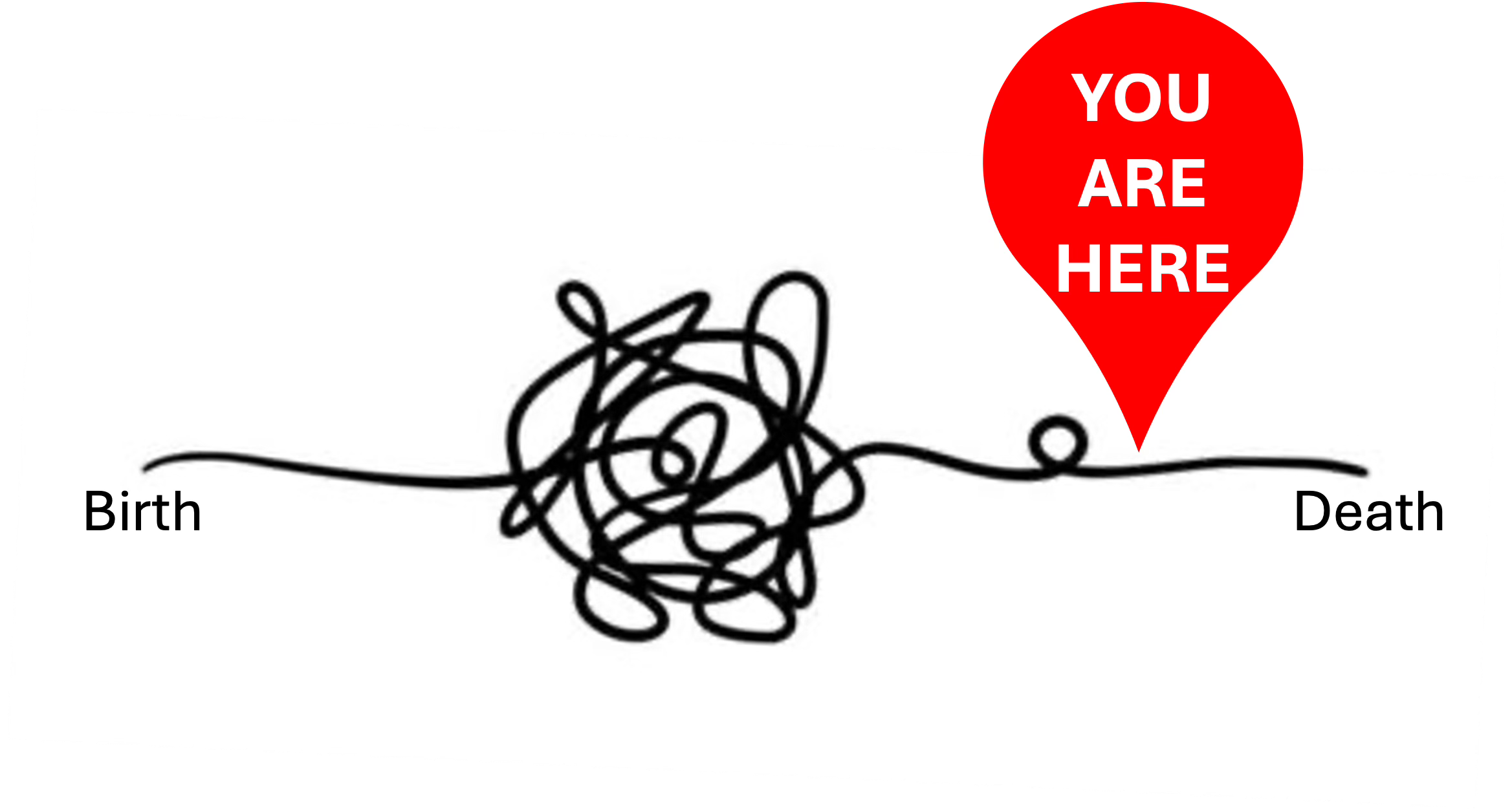
As I reflect on who I am as opposed to who I was 20 or 30 years ago, I cannot help but acknowledge that I am a very different person. Obviously, I have a lot more grey hair, have lost some, am quite a bit more flabby, and am much more cranky. But I also have very different motivations and aspirations. I am not nearly as focused on building my resume. In fact, I am focused on building my 401(k) and planning my weekends.
But I am also much more focused on being a better husband, father, and man. I want to leave this world a better place than I found it. As I began to speak out about what happened to my daughter, I quickly realized just how many women did not receive much support from the male role models in their lives. To realize that not only did these women have to deal with the trauma of the assault, they also had to deal with the rejection from the men in their lives was simply heartbreaking.
As a kid growing up in the 70s and 80s, there wasn’t much of a focus on treating women with respect. While I know with certainty that I never physically assaulted a woman, I look back on some of the things that I have said as a young man with regret. Does that mean that I should sit this one out and let someone else speak up and call out bad behavior? In my own opinion, I don’t think so. It just means that I am willing to acknowledge my mistakes and do better.
As much as I believe that there is value in learning from the mistakes of others, I wasn’t quite sure that applies when discussing sexual assault. Would a survivor feel the same way about a man who has realized that some of their past behavior was inappropriate and wanted to tell other men to change their ways?
Recently, I spoke with one of my dear friends, Mary Simmerling, who is a badass poet, author, and advocate for survivors. Her answer was clear and grounding: people and cultures evolve. Growth doesn’t excuse past behavior, but owning it matters. Accountability is evidence of change.
Making a mistake doesn’t make us worthless or irredeemable. It makes us human. What matters is whether we learn and whether we break the patterns. But if we learn those lessons and then choose to stay silent, that’s reflecting the oppressive nature of shame.
Shame is powerful. Give it too much space, and it takes control. It thrives in silence and shadows, and the cost of that silence is far too high.
Because, quite frankly, my daughters and your daughters need more men speaking out. When we know better, we do better.